Archives
- 2026-09
- 2026-08
- 2026-07
- 2026-06
- 2026-05
- 2026-04
- 2026-03
- 2026-02
- 2026-01
- 2025-12
- 2025-11
- 2025-10
- 2025-09
- 2025-03
- 2025-02
- 2025-01
- 2024-12
- 2024-11
- 2024-10
- 2024-09
- 2024-08
- 2024-07
- 2024-06
- 2024-05
- 2024-04
- 2024-03
- 2024-02
- 2024-01
- 2023-12
- 2023-11
- 2023-10
- 2023-09
- 2023-08
- 2023-07
- 2023-06
- 2023-05
- 2023-04
- 2023-03
- 2023-02
- 2023-01
- 2022-12
- 2022-11
- 2022-10
- 2022-09
- 2022-08
- 2022-07
- 2022-06
- 2022-05
- 2022-04
- 2022-03
- 2022-02
- 2022-01
-
Therefore we believe that HIF mediated effects on CSC marker
2022-05-20

Therefore, we believe that HIF-mediated effects on CSC markers, apoptosis are mediated through HO-1. Our plan is to look for more mechanistic studies to understand the role of HO-1 degradation products (CO, Fe, and bilirubin) in cellular apoptosis, stemness under hypoxia. The model of role of HO-1 i
-
FoxM a downstream target of
2022-05-20
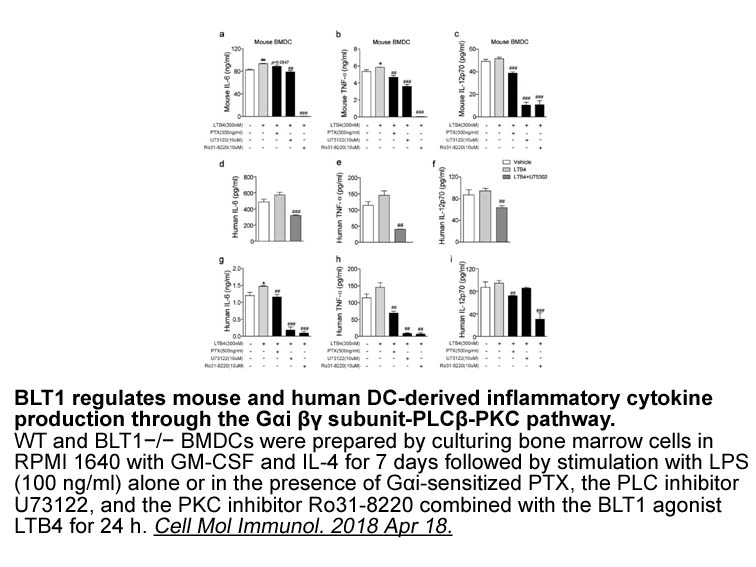
FoxM1, a downstream target of Gli, has been mainly related to RO4956371 regulation and cellular proliferation in tumor (Alvarez-Fernandez and Medema, 2013, Halasi and Gartel, 2013, Teh et al., 2002). Especially, FoxM1 is a regulator of G1/S and G2/M transitions and M-phase progression (Wonsey & Fol
-
Transcriptional elongation is a checkpoint for
2022-05-20
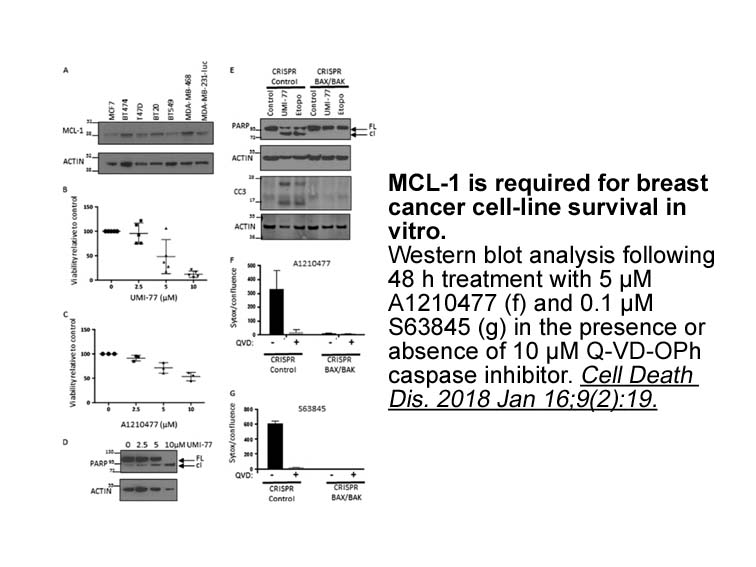
Transcriptional elongation is a checkpoint for productive transcription. In ESCs, ∼50% of the genes enriched for H3K4me3 are initially transcribed but do not enter productive elongation (Guenther et al., 2007, Rahl et al., 2010). Following promoter escape, the transcriptional elongating protein comp
-
br Materials and methods br Results br Discussion Recently
2022-05-20
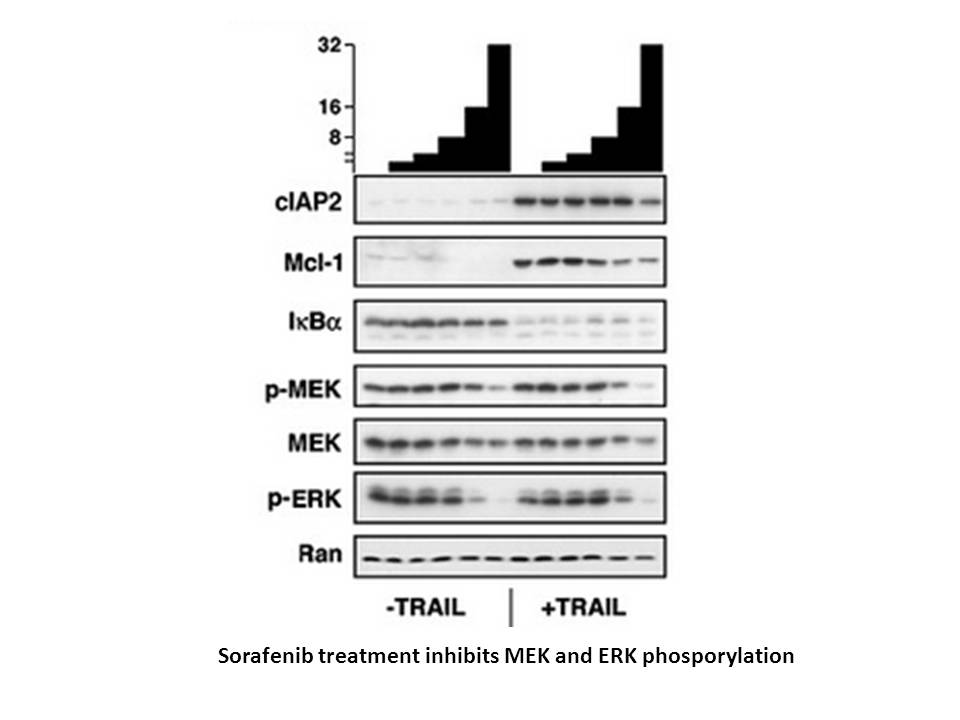
Materials and methods Results Discussion Recently, we characterized the interaction of the PH domains of various Lbc family RhoGEFs with the activated small GTPase, RhoA, and demonstrated that this could serve as a positive feedback mechanism for robust activation of RhoA (Medina et al., 20
-
Subcellular domains where Rac is active show limited Rho act
2022-05-20
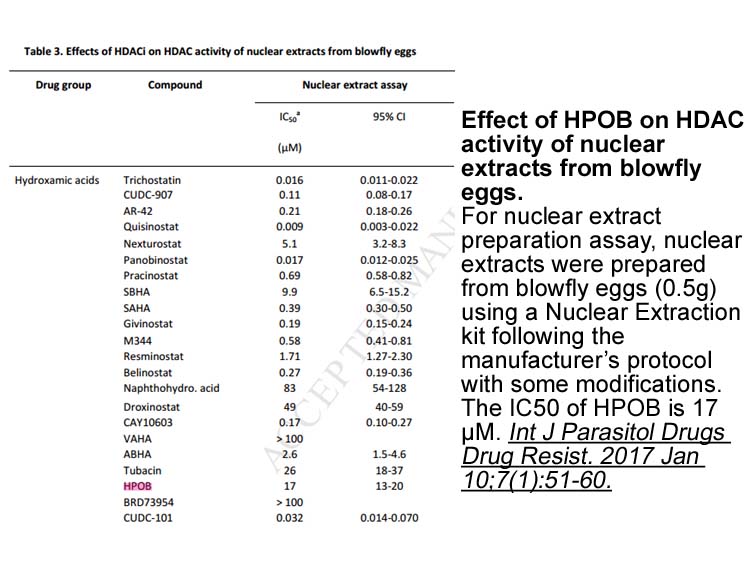
Subcellular domains where Rac is active show limited Rho activity and vice versa (Fig. 4). This distinctive patterning in Rho activity is achieved via the downstream Rac effector Par6, an important part of the so-called Par polarity complex. In primary epithelium, the cytoskeleton and associated Rho
-
The GPR gene was included in
2022-05-20
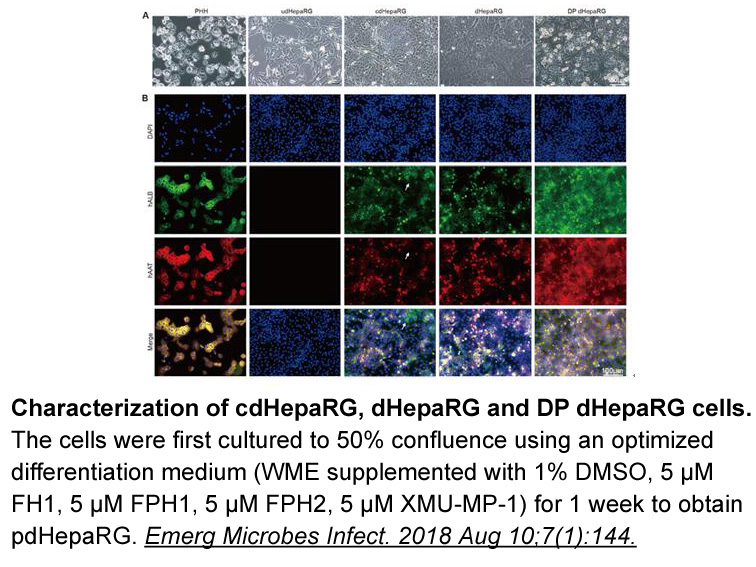
The GPR35 gene was included in our survey because of its location immediately 3′ to CAPN10 and because it showed evidence of association with type 2 diabetes. Also, its expression in tissues including pancreatic islets and skeletal muscle is consistent with a possible role in type 2 diabetes. Our re
-
br Conclusion br Acknowledgements This work was supported by
2022-05-20
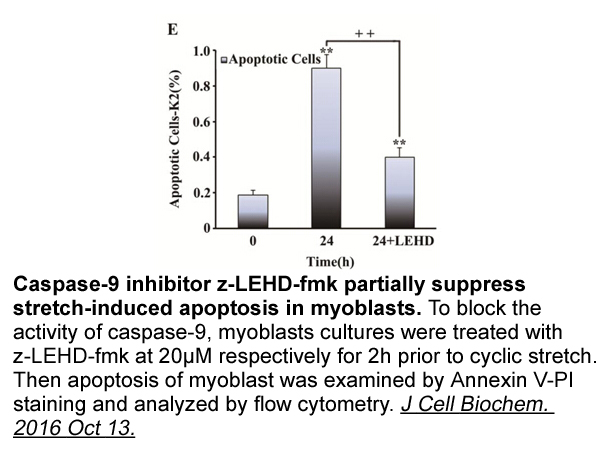
Conclusion Acknowledgements This work was supported by a Grant-in-Aid for challenging Exploratory Research (15K12715) and was a partly supported by Suzuken Memorial Foundation (2014). The authors would like to thank Enago (www.enago.jp) for the English language review. G protein-coupled rec
-
Then the seven complexes GLOI indomethacin GLOI zomepirac GL
2022-05-20
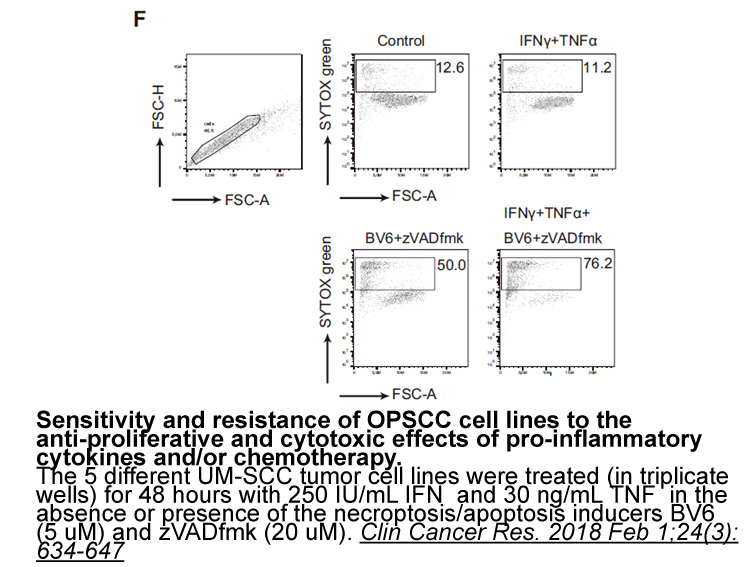
Then the seven complexes (GLOI-indomethacin, GLOI-zomepirac, GLOI-fenoprofen, and GLOI-ketoprofen, GLOI-tolmetin GLOI-curcumin, and GLOI-bisdemethoxycurcumin) were energy-minimized to remove unfavorable steric strain relative to the force field adopted. Further MD simulations were carried out based
-
Herein we report the discovery of AM AM
2022-05-19
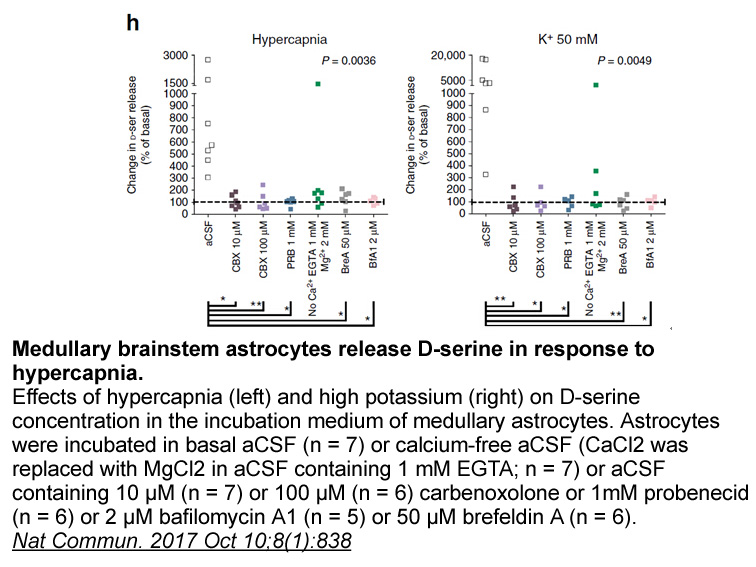
Herein, we report the discovery of AM-3189 (). AM-3189 maintains the in vivo efficacy of AMG 837 while displaying a superior pharmacokinetic profile and minimal CNS exposure. As we reported previously, activity on the GPR40 receptor varies significantly with substitution at the β-carbon relative to
-
ETV plays an important role in tumorigenesis and
2022-05-19
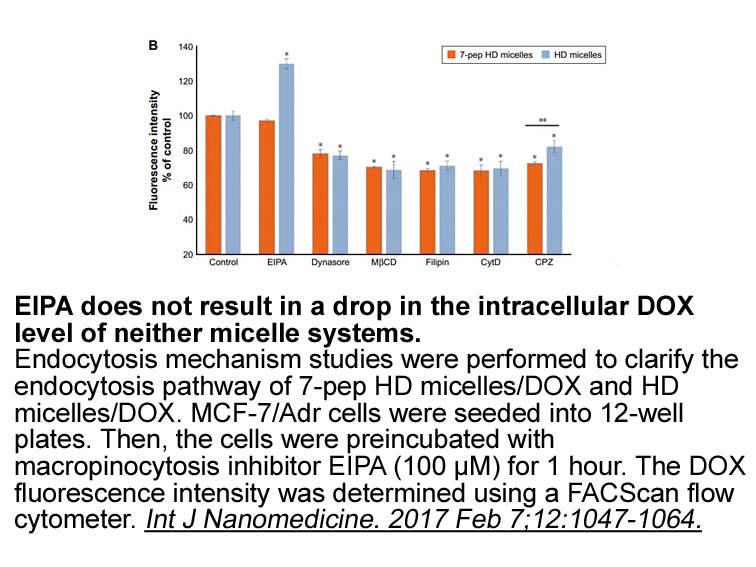
ETV5 plays an important role in tumorigenesis and metastasis. For example, chromosomal rearrangement of ETV5 which results in increased ETV5 level is believed as a common event driving human prostate cancer (Helgeson et al., 2008; Huang and Waknitz, 2009). Ghrelin/acyl-ghrelin also plays an importan
-
It is widely acknowledged that
2022-05-19
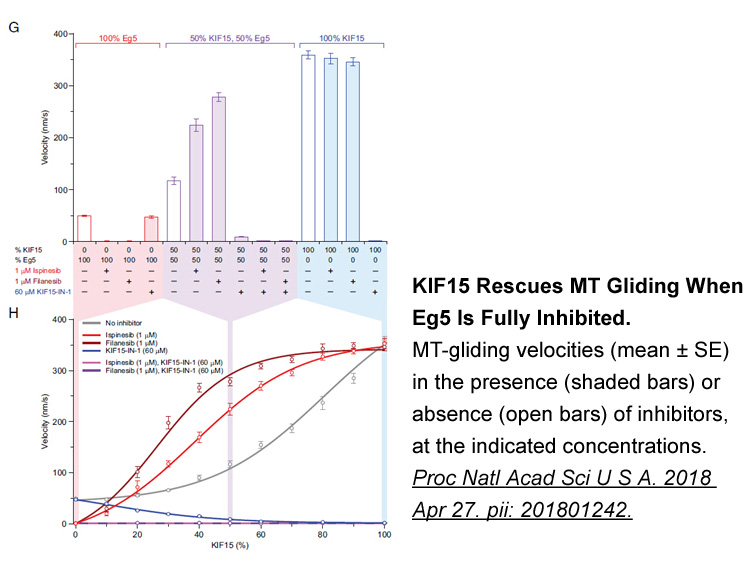
It is widely acknowledged that a significant gap exists between the increasingly detailed knowledge of subcellular mechanisms and the ability to control large-scale anatomy. Radical advances in regenerative medicine require approaches aimed at taming the fundamental complexity of cellular regulation
-
NO has been shown to be
2022-05-19
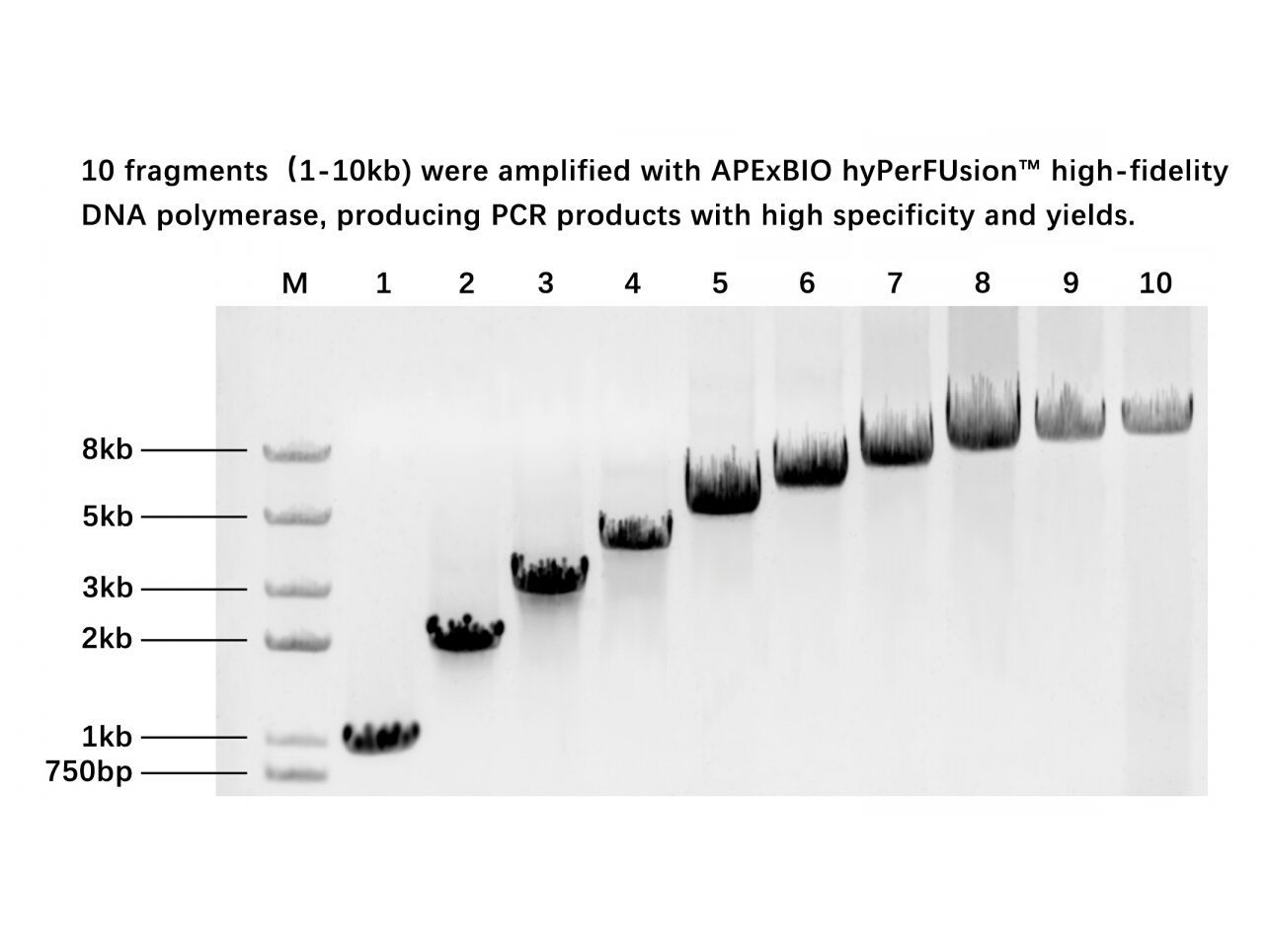
NO has been shown to be necessary for long-term potentiation (LTP) of GABAergic neurons in the amygdala (Lange et al., 2012), the hippocampus (Zhuo et al., 1993), the ventral tegmental area (VTA) (Nugent et al., 2009), and the spinal cord (Fenselau et al., 2011). NO is also known to increase GABA re
-
The effect of on the conformational of
2022-05-19
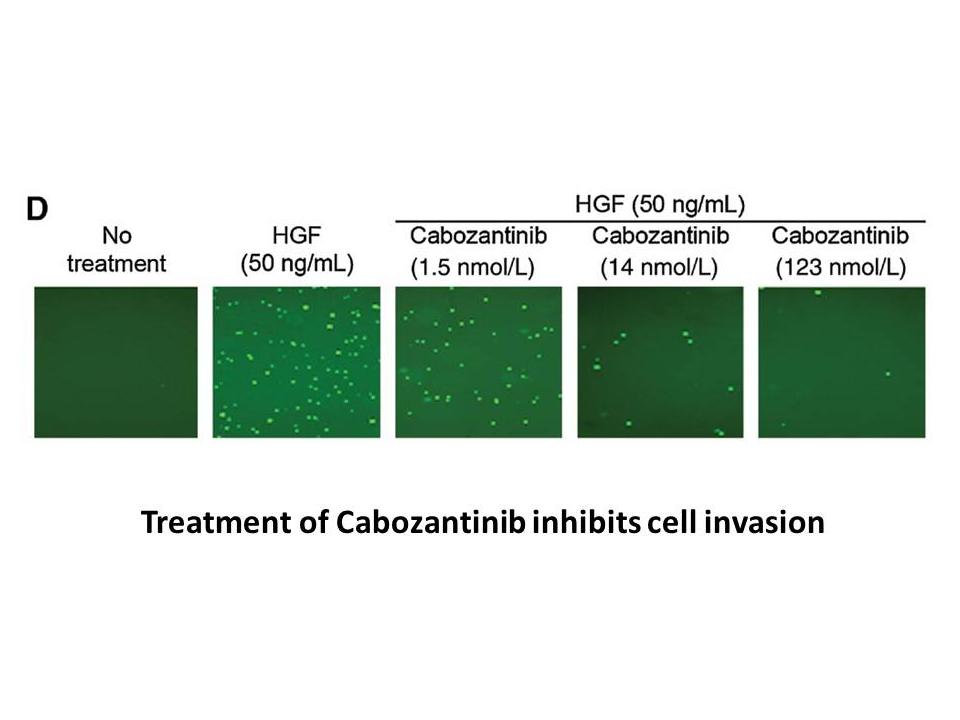
The effect of on the conformational of G-quadruplexes was investigated with circular dichroism (CD) spectroscopy. In the absence of , the CD spectra of parallel G-quadruplex exhibited a characteristic positive peak at about 265 nm, and a negative peak at about 240 nm; antiparallel G-quadruplex sh
-
At present many methods have been applied for
2022-05-19
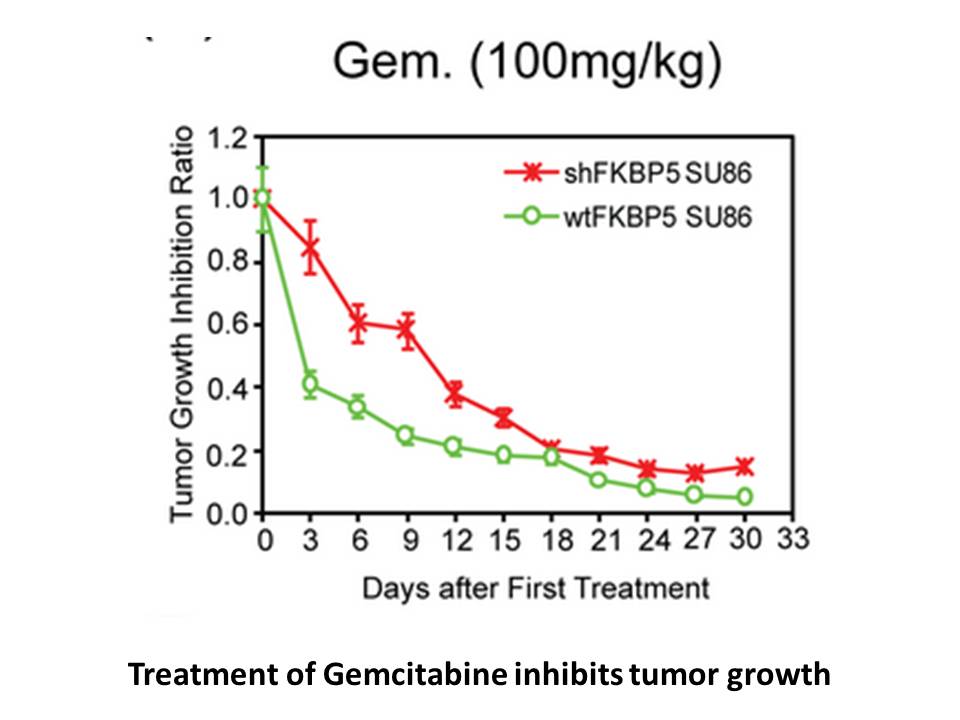
At present, many methods have been applied for multiple detection. For example, brompheniramine maleate [[9], [10], [11]] is frequently used to detect multiple targets because of its exquisite sensitivity and specificity, but it is difficult to design experiments to test short-length oligonucleotid
-
cell division cycle br Challenges and open questions Deepeni
2022-05-19
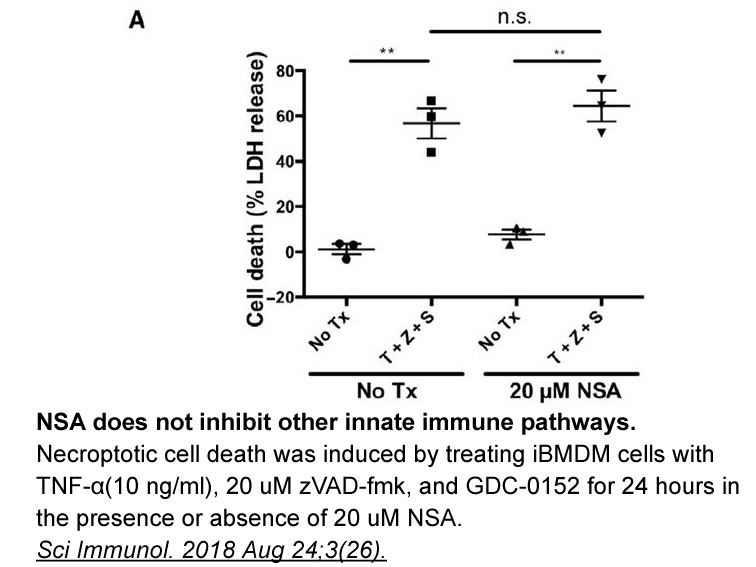
Challenges and open questions Deepening our understanding of PKC’s role in GSIS will require harnessing recently developed techniques and developing new tools. Here we describe three challenges remaining in the field and offer suggestions on experimental approaches to address them. PKC plays an
8106 records 464/541 page Previous Next First page 上5页 461462463464465 下5页 Last page